
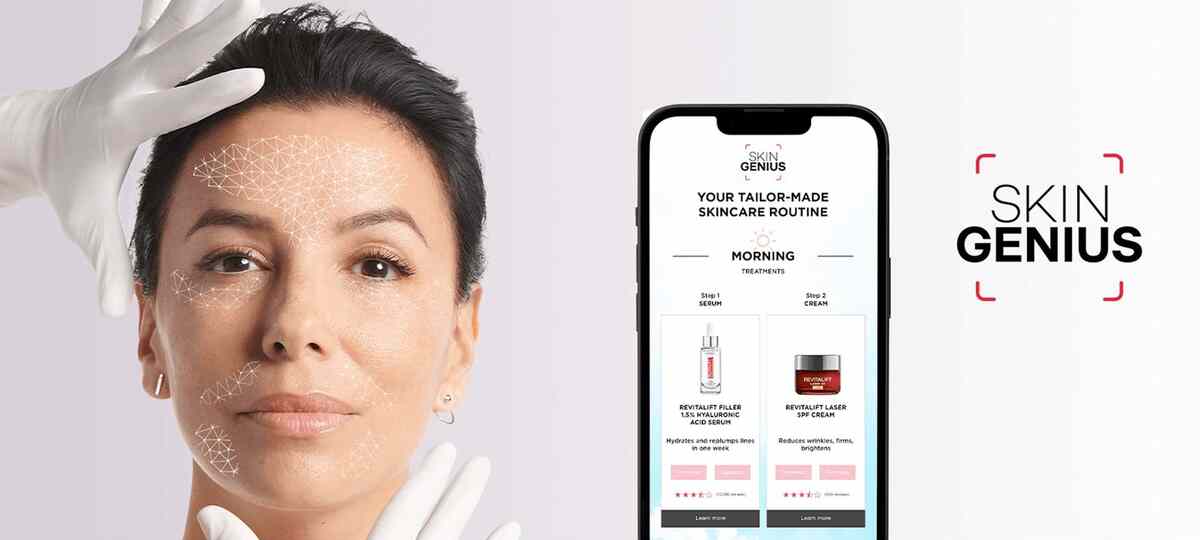
Global beauty giant L’Oréal has taken a major step in redefining the future of skincare by launching an advanced AI-powered skin diagnostic tool across key markets in Europe and Asia. The new technology is designed to offer hyper-personalized skincare recommendations by analyzing individual skin conditions in real time, signaling a significant shift toward data-driven beauty solutions.
The AI skin diagnostic tool uses computer vision, machine learning, and dermatological research to assess multiple skin parameters through a smartphone or in-store digital interface. Users can scan their face to receive instant insights into concerns such as hydration levels, fine lines, pigmentation, pores, and uneven texture. Based on the analysis, the system generates customized skincare routines tailored to the user’s skin type, environment, and lifestyle factors.
This launch reflects L’Oréal’s broader strategy to blend science, technology, and personalization at scale. With consumers increasingly demanding products that cater to their unique needs rather than one-size-fits-all solutions, the company is positioning artificial intelligence as a core pillar of its beauty innovation roadmap.
One of the most notable aspects of the rollout is its focus on diverse skin tones and climates. By deploying the tool across Europe and Asia simultaneously, L’Oréal aims to address regional variations in skin behavior caused by factors such as humidity, pollution, sun exposure, and genetic diversity. The AI model has been trained on a vast global dataset, enabling it to deliver more accurate recommendations for a wider range of users.
The tool is being integrated across multiple L’Oréal-owned brands and platforms, both online and in physical retail locations. Consumers can access the technology through brand websites, mobile apps, and smart mirrors inside select beauty stores. This omnichannel approach allows users to move seamlessly between digital discovery and in-store consultation, enhancing the overall shopping experience.
Personalization also plays a commercial role. By aligning product recommendations more closely with individual needs, L’Oréal expects to increase customer satisfaction, brand loyalty, and long-term engagement. Industry analysts see AI diagnostics as a powerful driver of repeat purchases, as consumers are more likely to trust routines that are backed by visible data and measurable results.
From a consumer perspective, the technology reduces guesswork in skincare. Instead of relying solely on marketing claims or trial-and-error purchases, users receive guidance rooted in real-time analysis. This shift is particularly appealing to younger, tech-savvy consumers who value transparency, customization, and digital-first experiences.
The launch also highlights the growing convergence of beauty and health technology. While the tool is not positioned as a medical device, it draws on dermatological expertise to promote better skin awareness and preventive care. By encouraging users to monitor changes in their skin over time, the platform supports a more informed and proactive approach to skincare.
L’Oréal’s move comes amid rising competition in the beauty tech space, where startups and established brands alike are investing heavily in AI, augmented reality, and data analytics. However, the company’s global scale, research capabilities, and access to diverse consumer data give it a significant advantage in deploying such technology at mass-market level.
Looking ahead, L’Oréal plans to continue expanding its AI ecosystem, with future updates expected to incorporate deeper personalization, product reformulation feedback, and sustainability insights. The company has also hinted at integrating the tool with smart devices and wearables to further refine skin analysis.
As personalized beauty becomes the new industry standard, L’Oréal’s AI skin diagnostic tool marks a pivotal moment. By combining advanced technology with everyday skincare routines, the company is not only reshaping how consumers choose products but also setting a new benchmark for innovation in the global beauty industry.


