
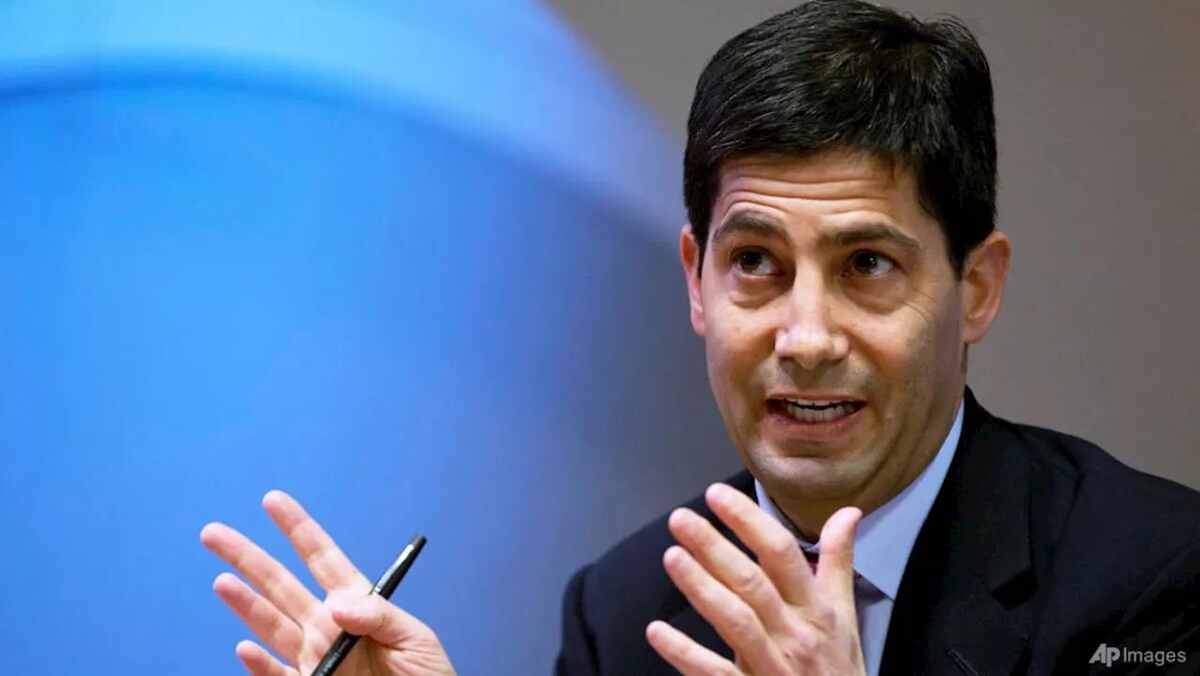
The spotlight in Washington has turned sharply toward Kevin Warsh as he steps into a high-stakes Senate confirmation hearing to potentially become the next Chair of the Federal Reserve. The hearing comes at a time when the U.S. economy is navigating persistent inflation concerns, evolving global trade pressures, and increasing scrutiny over central bank policies.
Warsh, a former Federal Reserve governor who served during the global financial crisis, is widely regarded as a seasoned policymaker with deep experience in financial markets. His return to the central banking spotlight has triggered intense debate among lawmakers, economists, and investors. Supporters argue that his private-sector experience and previous role within the Fed give him a balanced perspective needed to steer monetary policy in uncertain times. Critics, however, question whether his views on regulation and inflation align with the current economic realities.
During the Senate Banking Committee session, Warsh faced a barrage of questions about inflation control, interest rate strategy, and financial system stability. Lawmakers pressed him on whether he would continue the aggressive rate policies adopted in recent years or pivot toward a more flexible approach to support economic growth. Warsh emphasized the importance of maintaining the Federal Reserve’s independence, signaling that political pressures should not dictate monetary policy decisions.
A key theme of the hearing revolved around inflation management. Warsh acknowledged that inflation remains a significant concern for American households and stressed the need for a disciplined approach to price stability. At the same time, he highlighted the risks of overtightening, which could slow economic growth or trigger a downturn. His remarks suggest a cautious but pragmatic stance, aiming to balance inflation control with sustainable expansion.
Another critical issue raised during the hearing was financial regulation. Warsh has historically advocated for a more streamlined regulatory environment, arguing that excessive rules can stifle innovation and economic activity. Senators questioned whether such an approach could increase risks within the banking system, especially in light of recent global financial uncertainties. Warsh responded by emphasizing the importance of smart regulation rather than simply reducing oversight, indicating a nuanced position that seeks efficiency without compromising stability.
The hearing also touched on the Federal Reserve’s communication strategy. In recent years, transparency and forward guidance have become essential tools for managing market expectations. Warsh signaled that he would prioritize clear and consistent communication, helping businesses and consumers better understand policy direction. This approach could play a crucial role in maintaining market confidence during periods of volatility.
Global economic dynamics added another layer of complexity to the discussion. Warsh acknowledged that the Federal Reserve’s decisions have far-reaching implications beyond the United States, affecting emerging markets, currency stability, and international trade. He emphasized the need for coordination with global financial institutions while maintaining a primary focus on domestic economic health.
The outcome of this confirmation hearing could shape the trajectory of U.S. monetary policy for years to come. If confirmed, Warsh would take on one of the most influential roles in global finance at a time when economic conditions demand careful navigation. His leadership style, policy preferences, and ability to build consensus within the Federal Reserve will be closely watched by markets worldwide.
As the Senate deliberates, the broader financial community remains on edge. Investors are looking for signals about future interest rate movements, while policymakers weigh the long-term implications of Warsh’s potential leadership. Regardless of the final decision, the hearing has already underscored the critical importance of central bank leadership in shaping economic stability and growth in an increasingly complex global landscape.


