
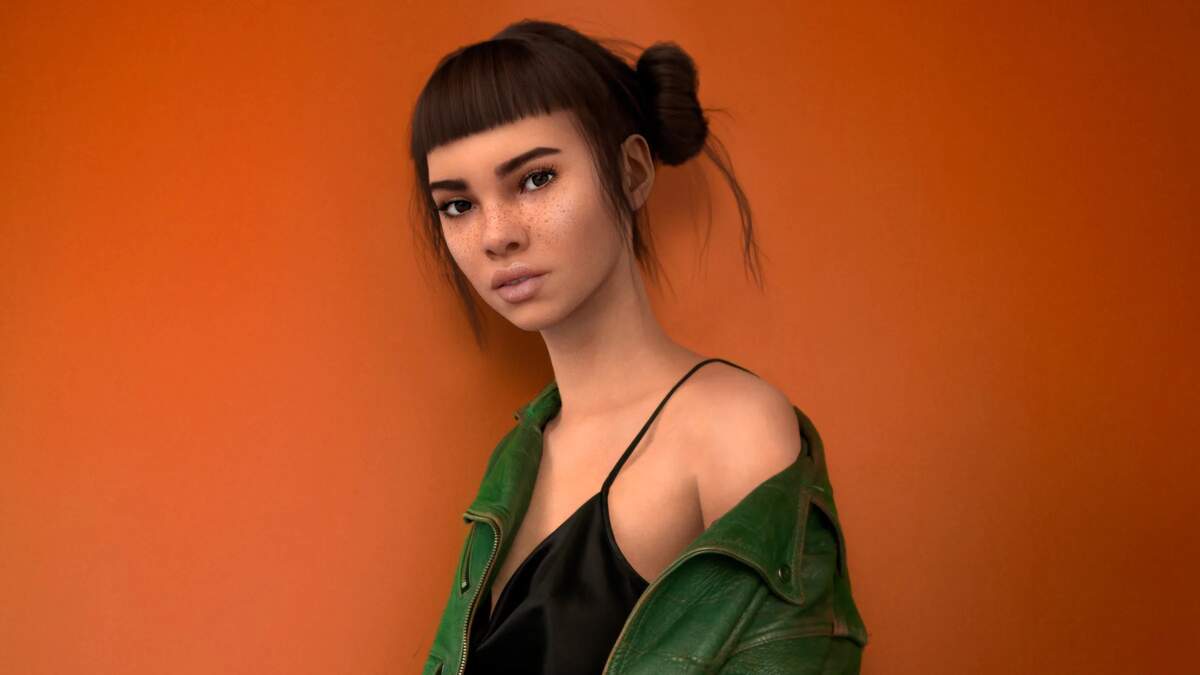
The entertainment world is entering a surprising new chapter as virtual influencers—computer-generated personalities powered by artificial intelligence and advanced graphics—begin stepping into the spotlight of reality television. What once seemed like science fiction is rapidly becoming part of mainstream media, with digital characters now hosting shows, interacting with audiences and even competing with human celebrities for attention.
Virtual influencers are essentially digital personalities created using artificial intelligence, 3D animation and motion capture technology. These characters behave much like human influencers on platforms such as Instagram, TikTok and YouTube, posting content, responding to fans and collaborating with brands. Unlike traditional creators, however, they are entirely fictional characters designed and controlled by teams of artists, programmers and marketers behind the scenes.
Over the past few years, these digital personalities have gathered millions of followers worldwide. Some of the most famous examples include Lil Miquela, a virtual Instagram star with a huge fan base, and Shudu, often described as the world’s first digital supermodel. Their popularity has shown media companies that audiences are willing to engage with fictional online personalities just as enthusiastically as they do with real celebrities.
Now television producers and streaming platforms are experimenting with a new concept: reality shows hosted or led by virtual influencers. These programs blend traditional reality-TV storytelling with digital technology, creating interactive experiences where animated hosts guide contestants, narrate events or even participate in the show themselves.
The rise of virtual reality entertainment and AI-generated content has made such projects technically possible. Modern AI tools allow creators to generate realistic expressions, voices and dialogue for digital characters, enabling them to behave almost like real presenters on screen. Natural language processing can help these avatars respond to viewers’ comments or interact with participants in real time, adding a new layer of engagement to reality shows.
This trend is also closely tied to the booming creator economy. Influencer culture has become a massive global industry with millions of creators producing content for audiences across social media platforms. Experts estimate that the creator economy is already worth hundreds of billions of dollars and continues to grow rapidly as brands shift marketing budgets toward digital personalities.
For production companies, virtual influencers offer several unique advantages. Because these characters are digital, they never age, never get tired and can be easily adapted for different languages and cultures. Producers can design a host with a specific personality or aesthetic that perfectly matches a show’s concept. In addition, digital avatars can appear simultaneously across television, social media and virtual reality platforms, helping shows build stronger cross-platform fan communities.
At the same time, the rise of AI influencers has sparked debates within the entertainment industry. Some critics worry that replacing human hosts with digital avatars could reduce opportunities for real performers and creators. Others argue that virtual influencers may struggle to replicate the authenticity and emotional depth that human personalities bring to reality television.
Still, audience curiosity about AI-driven entertainment continues to grow. Viral AI characters on social media have already demonstrated the potential of digital personalities to capture global attention, attracting millions of views and followers.
As streaming services compete to develop innovative formats, reality shows hosted by virtual influencers may soon become a regular part of the entertainment landscape. Whether guiding contestants through challenges, hosting talent competitions or interacting directly with fans online, these digital personalities represent a new fusion of technology and storytelling.
The line between reality and virtual entertainment is becoming increasingly blurred. With artificial intelligence continuing to evolve, the next generation of television may feature hosts and celebrities who exist only in pixels—but command audiences just as powerfully as any human star.


